Silicon-insider .com is a technology blog with menu sections for Wearable Tech, Tech News and Smart Tech, and the front page lately has mixed gadget write-ups with AI explainers, app features and a few work-life pieces. This roundup reports what the home page was showing when it was read.
| What kind of site is it? | A tech blog on WordPress with a post grid and a Latest feed |
| Which sections are in the menu? | Wearable Tech, Tech News, Smart Tech, About Us, Contact Us |
| Which bylines appear? | Gordon James, Raph De Leon, Zyndarion Mylaris and Vadlenix Zyrandral |
| How long are posts? | Reading times of 4 to 9 minutes are printed on the cards |
| Is a company or owner named on the front page? | No |
What has siliconinsider been running on its front page?
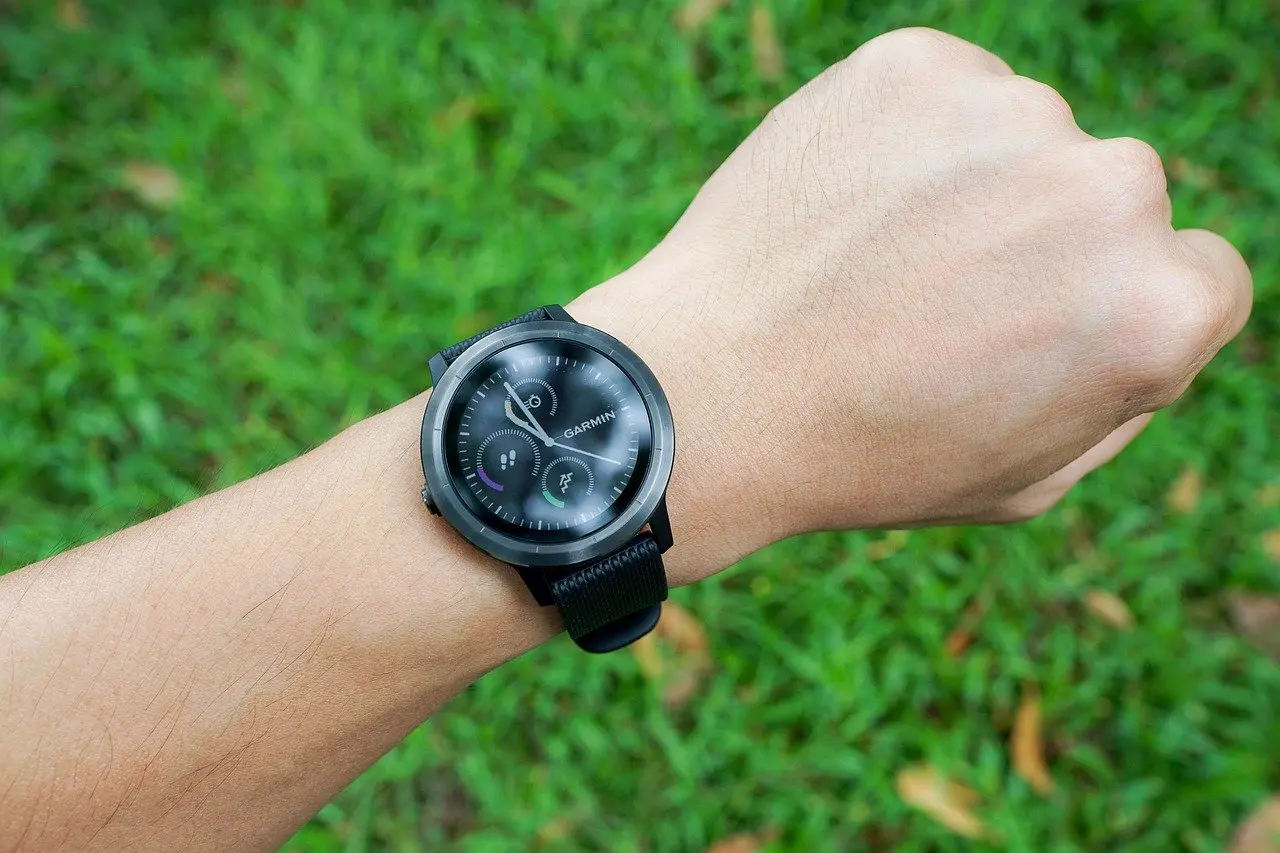
The top of the page is a three-card grid, all tagged Wearable Tech. One card is a piece on the site’s own wearable coverage with trends and picks for 2026, another is short and titled “Hybrid Smartwatches”, and the third is “Wearable Air Purifier: Breathe Clean Air Anywhere in Style”. The cards show a counter beside each name, running from 745 to 1,893, which the page does not explain; it may be a view count.
Below the grid sits a “Latest” feed, which is where the variety shows.
Which gadget and wearable stories stand out at silicon-insider .com?
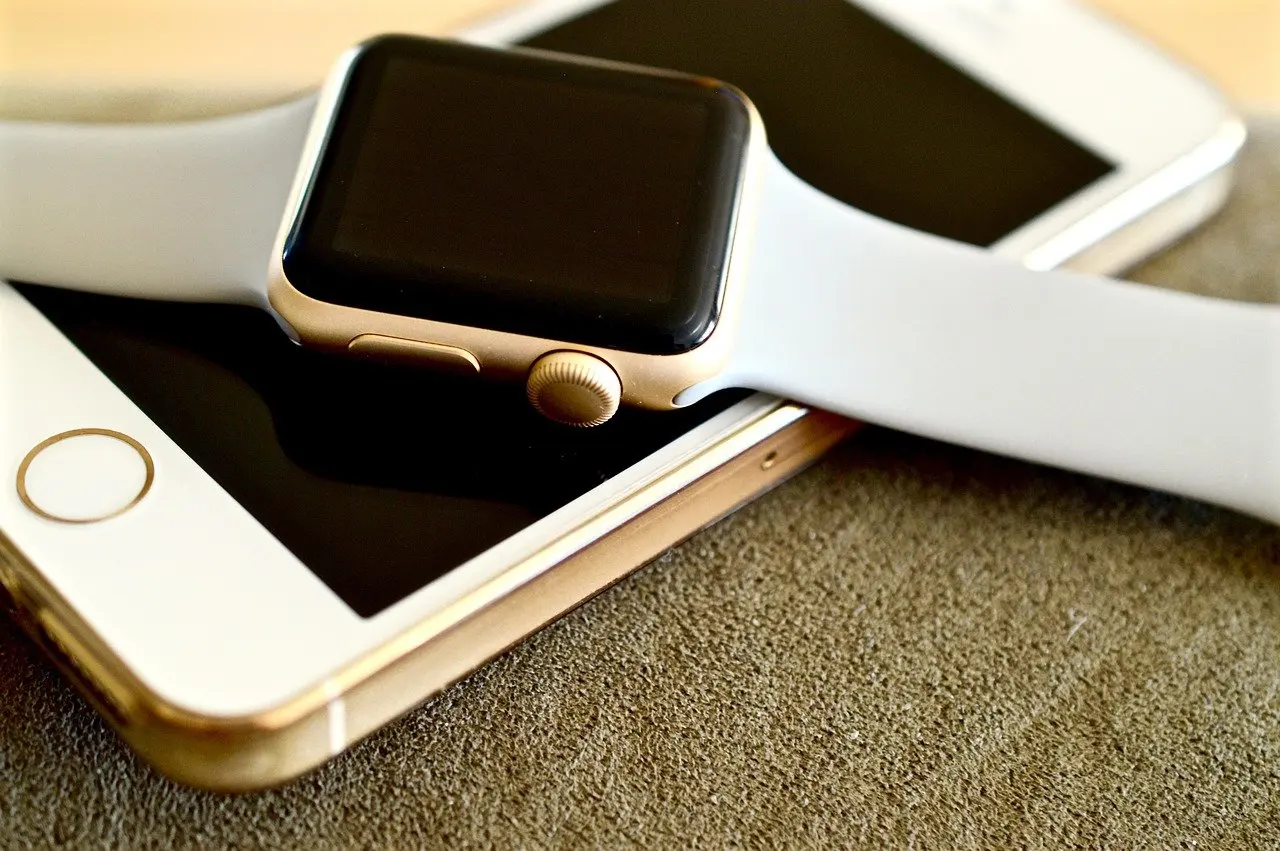
Wearables dominate the lead position. The smartwatch card sits under Gordon James, while the coverage overview credits Raph De Leon. Neither card quoted a price, a model number or a test method in the text read, so they work better as topic introductions than as buying advice.
One of the more distinct headlines asks which AI video model is the most advanced. Its opening line answers that the result “depends on how advanced is being” defined, a fair hedge in a field that moves quickly.
What else sits in the Latest feed on silicon insider .com?
The feed leans toward software and everyday technology. A story about apps guarding a streak across time zones opens by describing how unfair a lost long streak feels. A nine-minute guide on tailoring a resume for each job application using AI starts with the writer’s three open browser tabs, which is a first-person note the site does not attach to a named experience. Another item asks business readers whether to repair or replace faulty electronics, framed around the cost of two expensive mistakes.
A piece on extreme sports also shows up in the feed. A reader hoping for chips, startups or gadgets will find it uneven, because software, work and lifestyle subjects sit between the hardware stories, and nothing in the layout separates a news item from an opinion or a how-to.
For anyone who uses the site as a daily read, the practical approach is to scan the category label on each card first. “Tech News” and “Latest News” tags sit on the items framed as developments, while “Wearable Tech” marks the product-style pieces. Reading time is the other quick filter: the four-minute cards are short explainers, and the nine-minute resume guide is the longest item on the page.
Who writes for www silicon-insider .com?
Four names recur: Gordon James, Raph De Leon, Zyndarion Mylaris and Vadlenix Zyrandral. One post, aimed at readers curious about the site, says Gordon James leads tech coverage and reports on startups, chips and related subjects. That description comes from the site’s own content, and the pages read give no biography, employer or qualifications to back it up.
The Editor’s Pick strip adds longer “practical guide” articles, several with 2026 in the title, on crypto-related and data-governance topics under invented-sounding product names. Those headlines read more like search-targeted pages than newsroom stories, so approach them with care and check any claim against a primary source.
How reliable is the siliconinsider newsroom?
No masthead, owner, corporate address or editorial policy appeared on the front page, and the About Us page text was mostly style code when fetched. That means the site does not say how stories are checked or corrected. Items with an identifiable byline and a clear subject, such as the smartwatch and AI model pieces, are easier to weigh than the abstract guides.
What should a reader do with this coverage?
Treat the front page as a starting list, not as a verdict on any device or tool. Where a card names a product category, such as hybrid smartwatches or air-purifying wearables, check the maker’s own specification page and an independent test before spending money. Where a story offers a number or a ranking, look for the source in the text; the cards shown here do not display one in their opening lines.
It also helps to keep the site’s age and layout in view. It uses a magazine-style theme with a post grid, view counters and read-time labels, which makes it quick to skim, though the counters themselves have no explanation and should not be read as a measure of quality.
Roundup questions about silicon-insider .com
How often does silicon-insider .com post?
The cards on the home page show no publication dates in the text that was read, so the pace cannot be stated.
Does the site cover major device launches?
The front page leans toward evergreen explainers over breaking launch coverage; nothing there was framed as a review of a new release.
Is there a way to contact the editors?
The menu lists Contact Us, though the contents of that page were not read for this roundup.